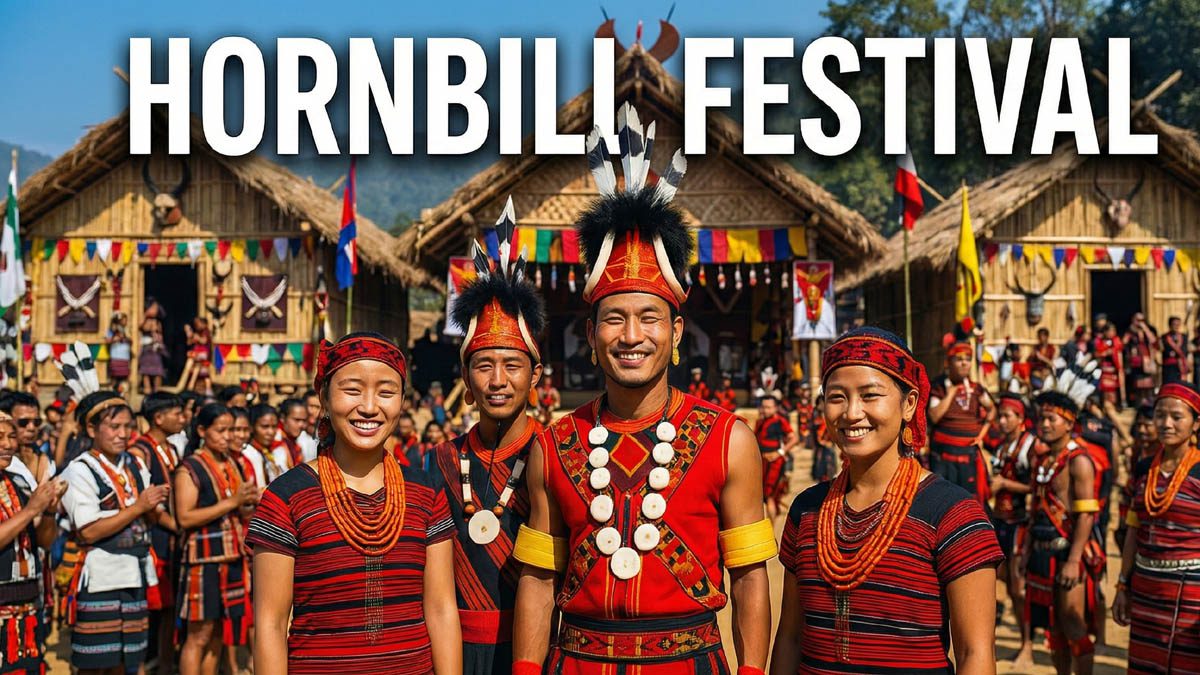

The Hornbill Festival Concludes in Nagaland after ten days of vibrant cultural celebrations, music, traditional performances, and community bonding. The festival, known globally as the “Festival of Festivals,” came to a colourful end at the Naga Heritage Village in Kisama, drawing thousands of visitors from across India and around the world. Organized annually by the Government of Nagaland, the Hornbill Festival showcases the rich cultural heritage of the Naga tribes and promotes tourism, unity, and economic growth.
This year’s edition, marked by enhanced participation, innovative stalls, cultural fusion programs, and modern digital attractions, strengthened the festival’s reputation as one of Northeast India’s largest cultural events. As the Hornbill Festival Concludes in Nagaland, officials reported record footfall, heightened international interest, and increased economic activity across tourism, local markets, handicrafts, and homestay sectors.
Cultural Performances Take Center Stage
Throughout the festival, various Naga tribes performed traditional dances, war cries, folklore presentations, and music shows, reflecting the deep cultural roots of the region. Each performance highlighted stories of bravery, community harmony, and ancestral practices. These cultural displays attracted national and international tourists who often describe Hornbill as a rare opportunity to experience multiple tribal cultures in one place.
Moreover, tribal morungs—traditional community houses—offered visitors a closer look at Naga architecture, cuisine, costumes, and lifestyle. As the Hornbill Festival Concludes in Nagaland, many tourists shared that the festival provided a powerful cultural exchange experience that they will cherish for a lifetime.
Tourism Boost & Economic Growth
Nagaland witnessed a major tourism boost during the festival period. Hotels, guesthouses, and homestays remained fully booked throughout the event. Local entrepreneurs, artisans, farmers, and food vendors benefited from increased sales. The government reported that the Hornbill Festival has emerged as a critical driver for rural and urban economic development.
In addition, the Hornbill Music Festival, fashion shows, adventure sports, tribal markets, and culinary events added a modern touch while retaining traditional values. These multi-themed attractions ensured that tourists of all age groups had something to enjoy.
Digital Innovation and Global Reach
This year, the festival saw stronger digital engagement. Live streaming, social media campaigns, photo contests, and virtual walkthroughs helped the event reach a global audience. According to tourism officials, the Hornbill Festival’s online engagement has grown steadily, making it one of India’s most digitally recognized cultural festivals.
As the Hornbill Festival Concludes in Nagaland, analysts noted that such digital exposure helps promote the state’s tourism potential, inviting more foreign travellers interested in Indigenous cultures and eco-tourism.
Special Events & Highlights of 2025
The 2025 edition included several key highlights:
- Hornbill International Rock Festival, showcasing bands from across Asia
- Naga Heritage Craft Exhibitions, featuring handmade artefacts
- Tribal Fashion Shows, blending tradition with modern design
- Food Festivals promoting local dishes and organic products
- Adventure Sports, including cycling, trekking, and hot-air balloon rides
- Night Carnival events in Kohima and Dimapur
- Cultural seminars celebrating Indigenous knowledge and sustainability
These attractions strengthened the festival’s position as a holistic cultural and tourism event.
Community Participation and Government Support
The Hornbill Festival thrives because of the active participation of Naga tribes, local communities, and youth organizations. Government departments, NGOs, cultural bodies, and volunteers worked together to ensure smooth coordination. Their efforts ensured visitor safety, improved crowd management, and maintained cultural authenticity.
As the Hornbill Festival Concludes in Nagaland, the state government reaffirmed its commitment to preserve Naga culture and expand tourism infrastructure for future festivals.
A Celebration of Identity and Unity
The Hornbill Festival is more than just an event—it is a celebration of identity, unity, and cultural pride. It brings together people from different tribes and communities, reminding everyone of the importance of tradition, harmony, and respect.
As this year’s Hornbill Festival Concludes in Nagaland, local leaders expressed hope that the festival will continue to strengthen the spirit of unity among tribes and contribute to national and global cultural understanding.
FAQs – Hornbill Festival Nagaland 2025
- What is the Hornbill Festival?
The Hornbill Festival is Nagaland’s largest annual cultural celebration, showcasing tribal dances, music, food, art, and traditions. - When did the Hornbill Festival end this year?
The Hornbill Festival Concludes in Nagaland on 10 December 2025, after ten days of events. - Where is the festival held?
It takes place at the Naga Heritage Village, Kisama, near Kohima. - Why is it called the “Festival of Festivals”?
Because all major Naga tribes come together to perform, celebrate, and preserve their traditions in one event. - Does the festival boost tourism?
Yes. The festival attracts thousands of tourists, offering a major boost to local businesses and the tourism economy. - Can international tourists visit the festival?
Absolutely. The festival is popular among global travellers interested in Indigenous cultures and eco-tourism.